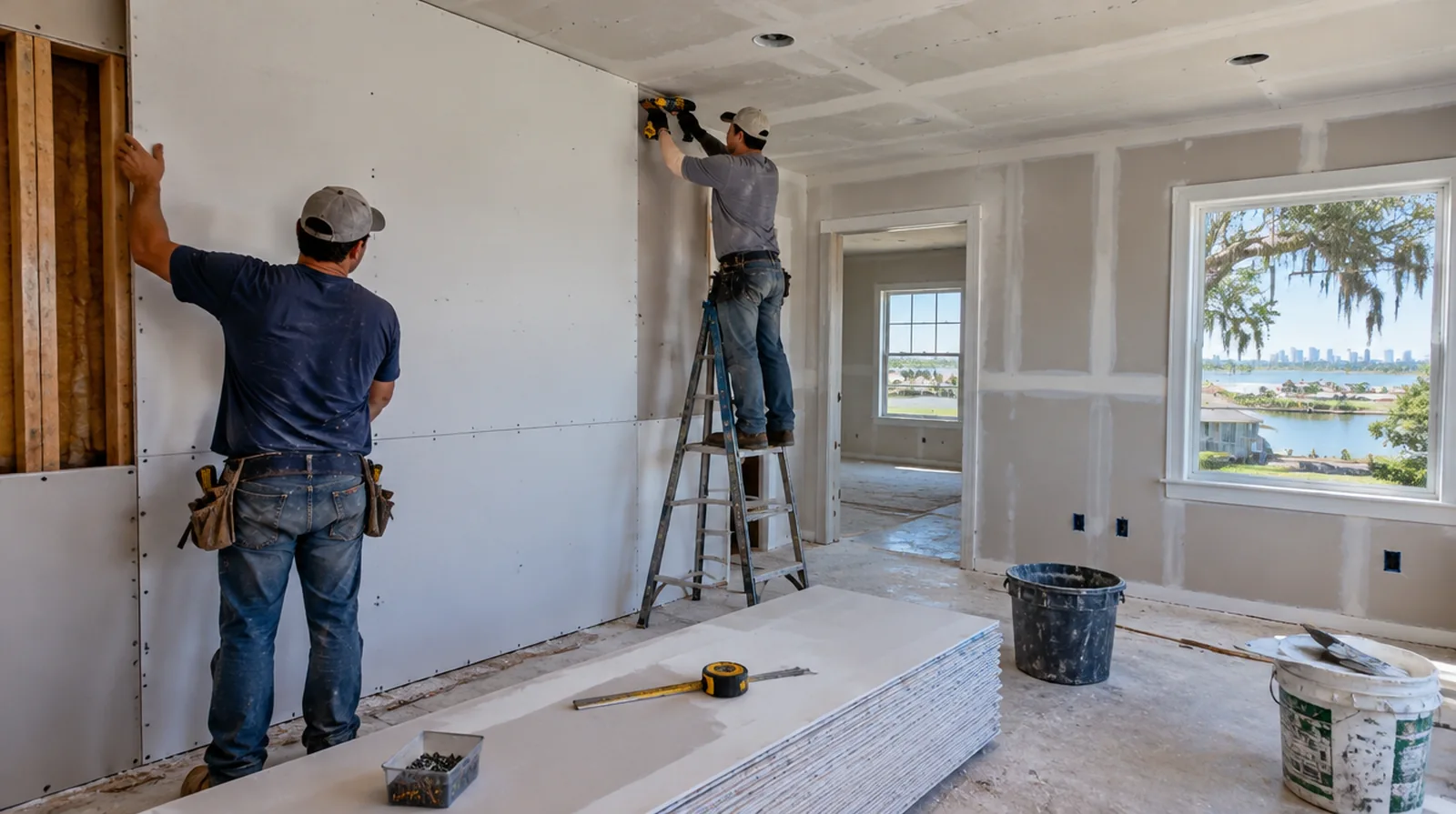
Select appropriate panels
Choose sheet thickness and panel properties to suit the specified assembly and the intended location. A board described as moisture resistant does not replace waterproofing where the wet area detail requires it. If a room has only limited ventilation, discuss how the finishing materials can dry without disrupting comfort or spreading dust elsewhere.
Lay out the joints
A thoughtful sheet layout limits awkward seams and keeps weak transitions away from the corners of openings. A sensible panel pattern makes both the fastening stage and the later joint treatment more straightforward. When painting is outside the proposal, describe the remaining decorative preparation clearly so another contractor can price that stage accurately.
Confirm concealed work
Wiring, plumbing and insulation inspections might need to happen before the cavity is closed. Photographs and a written readiness check help avoid opening a newly installed wall later. For a tightly furnished room, plan temporary storage and the minimum working clearance before material is carried into the property.
Define the finish level
A proposal should distinguish attached panels from a completed finish prepared for decorative coatings. Strong side lighting or a glossy coating can justify more extensive finishing than a utility room. When photographs are used for an initial discussion, include a wide room view as well as a close view so scale and surrounding finishes are understandable.
Measure the complete assembly
Board quantities depend on wall height, ceiling coverage, openings and the proposed orientation of the sheets. A measured layout helps reduce narrow infill strips and unneeded joints around doors. When more damage could be hidden, ask how any added scope will be documented before extra material is removed or replaced.
Treat perimeter details
Connections to adjoining surfaces are part of the wall detail, not merely decorative gaps. Fire or acoustic requirements could change which sealants and perimeter treatments are suitable. For a small repair with extensive setup, compare the total scope instead of assuming the price should follow the hole dimensions alone.
Inspect before decoration
The most useful final review happens after the surface is dry and before cabinets or wall coverings hide the edges. Check the agreed lighting conditions and record any remaining preparation before painting starts. For a surface carrying numerous paint layers, discuss whether differences in the retained profile or sheen justify decorating a broader area.
Plan deliveries and access
Sheet dimensions need to suit the available stairs, doors and handling space as well as the finished wall. Difficult access can change labor and waste even when the interior itself is relatively small. When the history of a repair is uncertain, note when it became noticeable and whether its appearance has altered across distinct seasons.
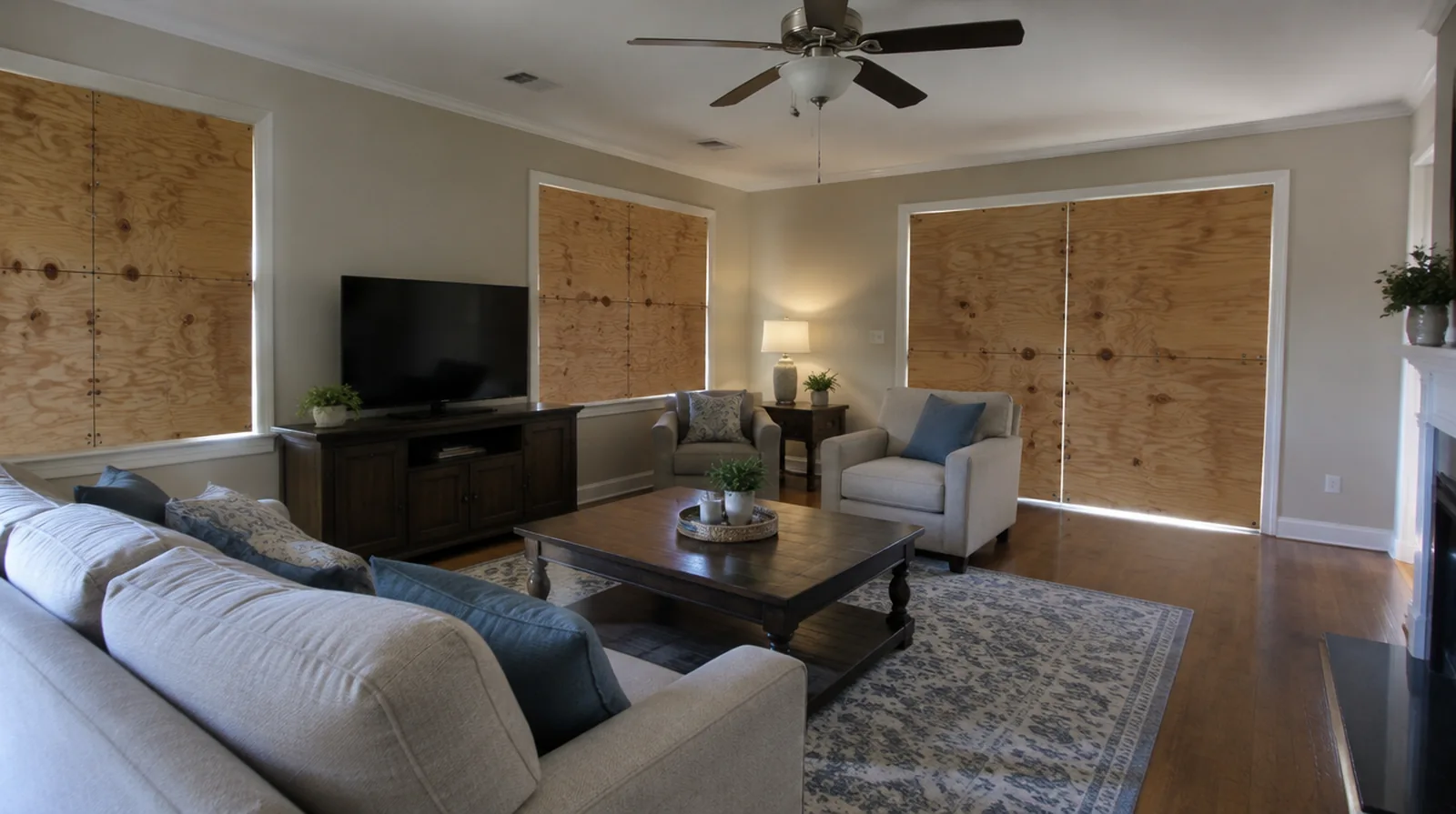
Sequence the finishing work
Joint treatment needs suitable conditions within the room and time between coats rather than a rushed pass over damp material. Coordinate room ventilation and entry while the other parts of the renovation continue. When the work area includes a doorway, check the clearance for panel movement as well as the amount of space available for finishing tools.
Inspect supporting framing
Drywall follows the framing underneath it, so bowed studs or uneven backing can show through the finished surface. Straightening or correcting support belongs in the scope before new sheets cover the wall surface. For walls beside bright windows, review a dry sample from an oblique angle as well as looking straight at the repaired surface.
Project context in Metairie
Warm humid conditions make protected storage and verified drying useful parts of the schedule. A ceiling repaint may need to extend beyond the patch if the existing coating has aged or cannot be matched consistently.
Scope questions before finishing
If the completion date matters most, allow for intervals between coats as well as active labor rather than assuming the entire process happens continuously.
Where occupants have dust sensitivity concerns, agree containment and cleaning measures before settling the way the interior will be staged.
When building management controls access, agree delivery hours and common area protection before committing to a start or finish date.
For a wall receiving a decorative covering, provide its preparation requirements early sufficient for the drywall finish to support that product.
At the handover inspection, review the finish from ordinary room positions using the lighting conditions that were agreed for the work.
If the problem developed after another renovation, explain which nearby materials or building systems changed before the damage became visible.
When the history of a repair is uncertain, note when it became visible and whether its appearance has altered across distinct seasons.
When the same defect has returned, share information about previous repair methods so the next assessment can consider why they did not last.
If a household member is sensitive to dust, discuss containment and cleaning expectations before choosing how to stage the room work.
At a repair beside an opening, allow clearance for moving board through the doorway and space to use the finishing tools effectively.
When a wall has repeated defects, keep a record of earlier repair attempts so a new assessment does not simply repeat an unsuccessful approach.
When a paint contractor follows the drywall work, define the surface condition being handed over and decide who handles any minor final touch ups.
Explore the Metairie drywall overview for related options, or read the project planning information before arranging the next stage.
More planning details for Metairie
In Metairie, an old ceiling water mark should prompt a straightforward history check before any surface is covered. Record what caused it, what was done to stop the source and whether the mark has changed since then. A dry stain and softened gypsum need different decisions, and a coating cannot stand in for necessary material replacement.