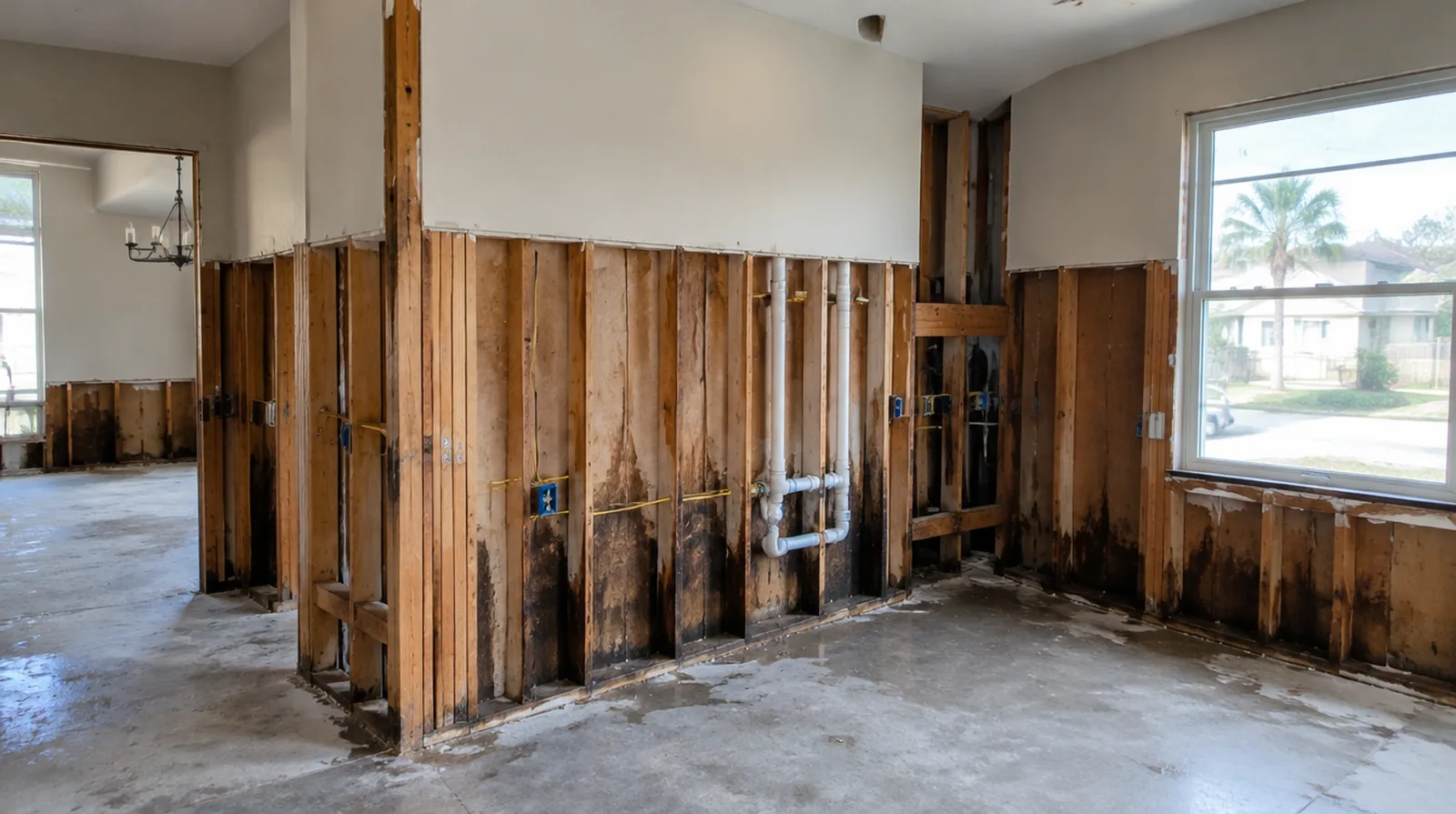
Match the board assembly
Replacement board should suit the existing thickness and any applicable wall or ceiling assembly requirements. Changing to a moisture resistant board does not excuse leaving the original water problem unresolved. Where occupants have dust sensitivity concerns, agree containment and cleaning measures before settling the way the room will be staged.
Finish after moisture control
Tape and finishing compound belong on stable dry material rather than a damp or deteriorating substrate. Allow adequate time for each coat instead of sealing moisture beneath the next stage. When the history of a repair is uncertain, note when it became visible and whether its appearance has altered across differing seasons.
Record the completed scope
Retain useful information about source repairs, material replacement and any drying checks performed by other trades. This record helps explain what the drywall repair covered and what maintenance remains the property owner responsibility. Where flooring is staying in place, agree on protective coverings and check that tools and material handling will not damage the visible finish.
Define selective removal
A planned removal area opens the assembly for evaluation without automatically stripping every adjacent surface. The cut boundary also needs to accommodate backing and a practical finished transition. Where several contractors share the renovation, identify the inspection and handover milestones that determine when each following stage can proceed.
Inspect concealed components
Insulation, electrical work and plumbing exposed during removal may require separate assessment or replacement. Those decisions should be resolved before the drywall portion of the repair moves forward. For a repair that crosses several surfaces, measure the affected planes separately so the estimate can explain where each finishing treatment starts and stops.
Keep contamination separate
Suspected microbial contamination or exposure to flood water is outside a routine cosmetic patch assessment. Ask an appropriate remediation professional about containment and material handling before drywall work is scheduled. If the space will remain occupied, identify a practical separation between the work area and the space that still needs daily access.
Agree on decorative boundaries
Repairing the damaged board and restoring a uniform decorative finish are related but distinct tasks. A ceiling or wall repaint might need to extend beyond the removed section to look consistent. If scheduling is the main concern, separate hands on labor from drying intervals instead of treating every visit as a full day of active work.
Assess material condition
Look for changes in panel strength and face condition as well as the visible color of a mark. The affected material behind the finish may extend past the stain seen from inside the space. When concealed damage is possible, establish how additional findings and any proposed removal will be recorded before the scope changes.
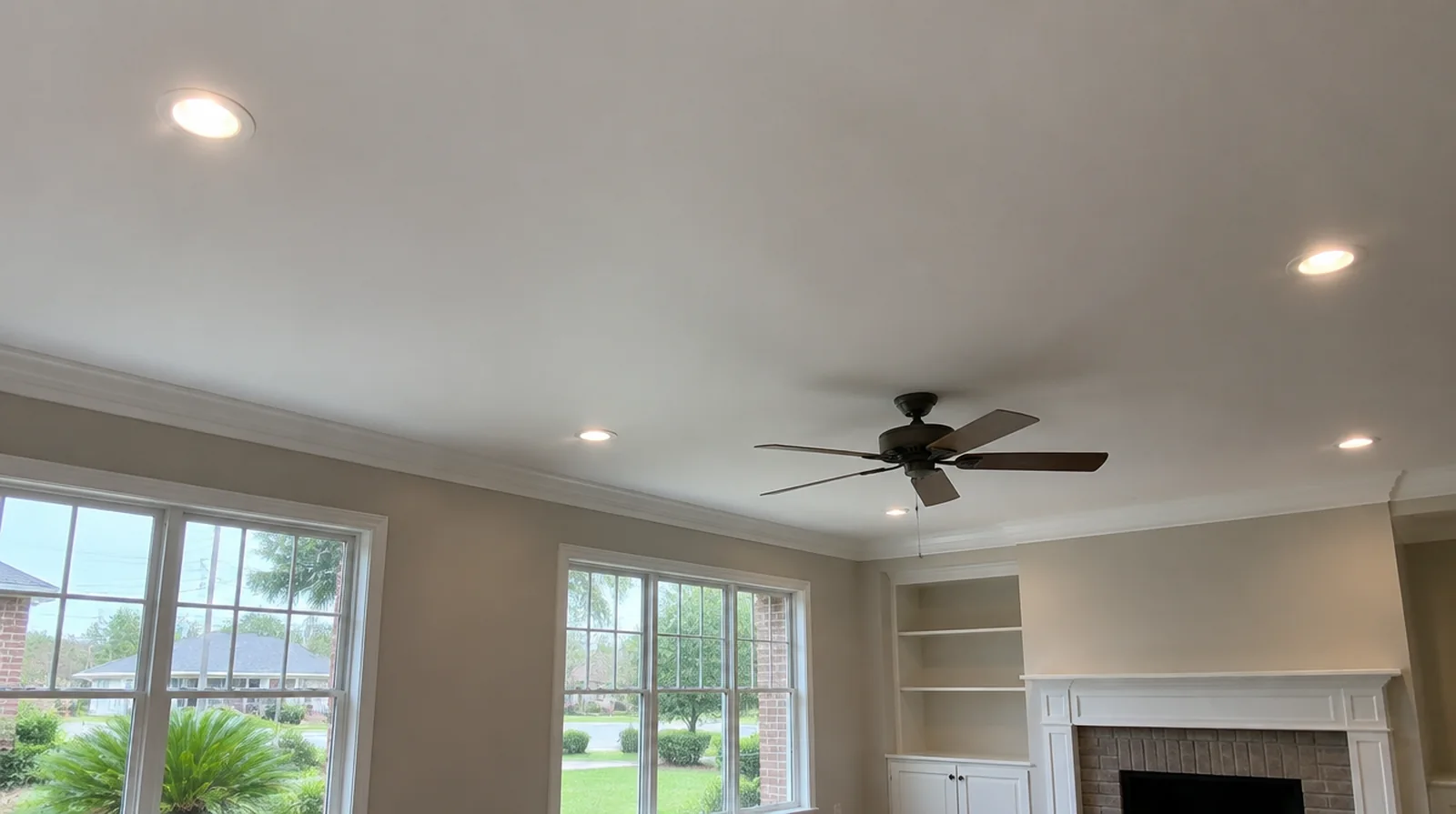
Rebuild supported edges
The new board section must connect firmly to suitable backing or sound framing. A stable repair perimeter helps avoid later cracking where replacement board meets the original surface. Where existing floors will remain, specify protective measures and review the path used by panels, equipment and finishing tools.
Treat remaining discoloration
An old dry mark may bleed through new decoration unless an appropriate primer is selected. Choose that treatment only after confirming the discoloration does not signal continuing moisture. If the space will remain occupied, identify a practical separation between the protected room and the space that still needs daily access.
Project context in Metairie
In Metairie, an old ceiling water mark should prompt a straightforward history check before any surface is covered. Record what caused it, what was done to stop the source and whether the mark has changed since then.
Scope questions before finishing
When more damage could be hidden, ask how any added scope will be documented before extra material is removed or replaced.
At a ceiling or wall containing fittings, assign removal and reinstatement duties for the affected devices before repair access is needed.
If the ceiling or wall includes fittings, identify the person responsible for removing and reinstalling each item before the work begins.
When a paint contractor follows the drywall work, define the surface condition being handed over and decide who handles any minor final touch ups.
Where a finished perimeter is prominent, decide whether trim stays in position or is removed before agreeing how the new surface meets that edge.
If the project is part of a larger remodel, settle the sequence with flooring, trim and cabinet work before setting a final finishing date.
For a planned new wall mounted fixture, resolve its backing requirements while the cavity remains open instead of cutting into completed drywall later.
At a surface receiving strong window light, review a dried trial from the side in addition to the normal straight view of the wall.
Where the quoted work stops before painting, request an explicit description of what remains so the next decorating stage can be priced realistically.
Where existing floors will remain, specify protective measures and review the path used by panels, equipment and finishing tools.
Where light reflects along the wall, inspect the complete plane instead of limiting the review to the edge immediately next to the repaired section.
For a room with restricted airflow, plan drying conditions alongside dust protection and the comfort of people occupying neighboring spaces.
Explore the Metairie drywall overview for related options, or read the project planning information before arranging the next stage.
More planning details for Metairie
A dry stain and softened gypsum need different decisions, and a coating cannot stand in for necessary material replacement. Warm humid conditions make protected storage and verified drying useful parts of the schedule. Keep any specialist moisture or remediation work separate from the ordinary wall finishing scope.