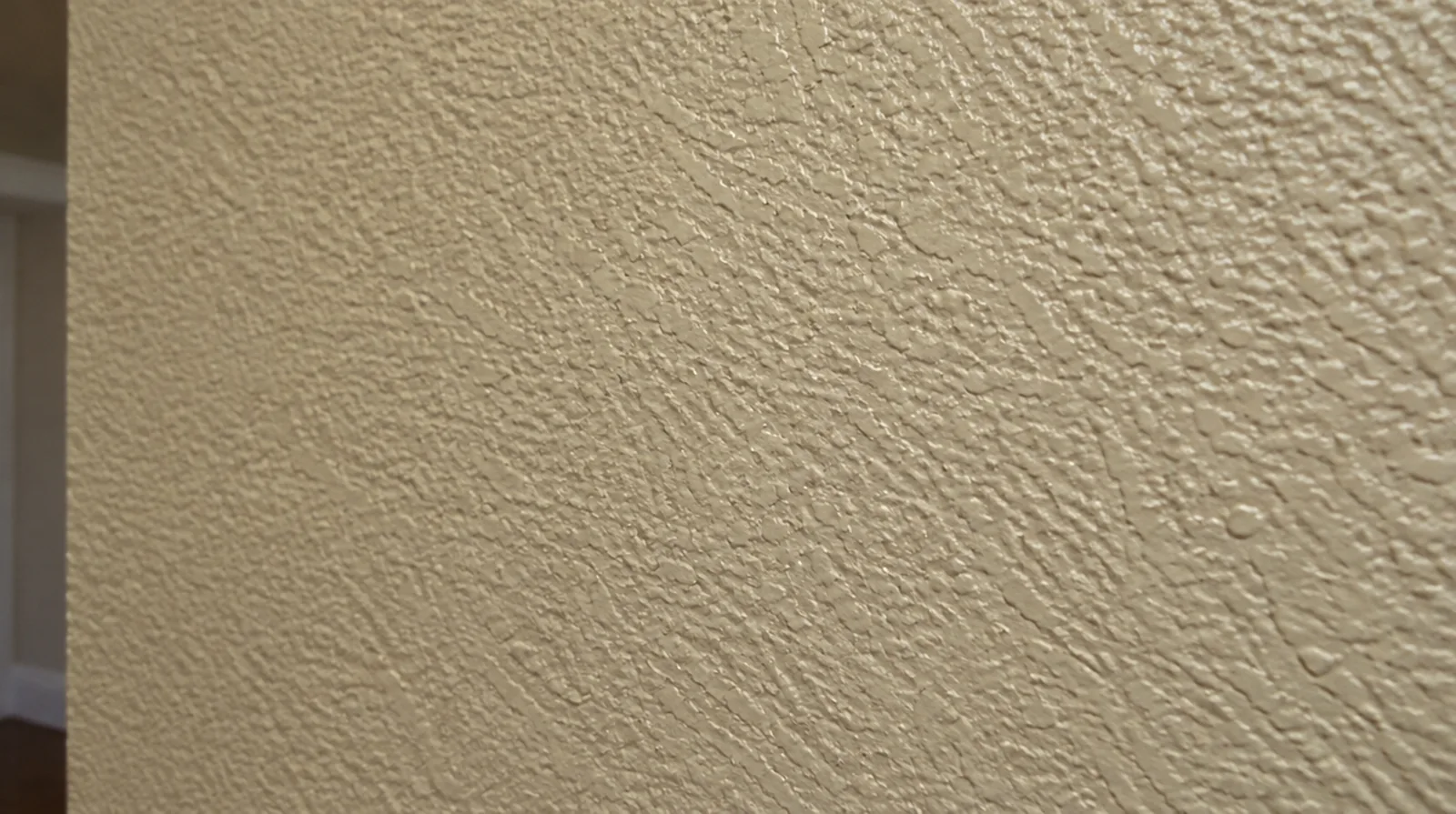
Prepare a sample area
Use a limited trial to compare the scale, distribution and flattening of the proposed finish. Reviewing the sample before coating the full repair reduces uncertainty about the expected blend. For a small repair with extensive setup, compare the total scope rather than assuming the price should follow the hole dimensions alone.
Allow time before painting
Let a new texture become ready for decoration rather than applying paint onto soft material. The quote should explain whether the next decorating stage is included or left to a painter. For an older repair with no clear history, describe when the mark first appeared and whether it has changed through more than one season.
Use appropriate primer
A new texture and the painted wall around it can take up paint unevenly. A suitable primer helps the paint system perform consistently without changing the texture profile unnecessarily. If occupancy must resume on a certain day, include the later primer and paint stages in the timetable as well as drywall installation and finishing.
Blend beyond the patch
An abrupt rectangular texture boundary often draws attention even when the pattern itself is close. Gradually extending the texture into the surrounding surface may make the blend less abrupt. Where occupants have dust sensitivity concerns, agree containment and cleaning measures before settling the way the interior will be staged.
Study the paint layers
Repeated painting can soften an old pattern and change how its peaks reflect light. Matching the wall surface as it looks now could call for a distinct application from the pattern that was first installed. When the wall has strong reflected light, look at the full plane rather than judging only the narrow strip immediately beside the patch.
Protect surrounding finishes
Mask adjacent materials against sprayed compound and other application debris. Protect the full reach of the operation, including fittings and trim beyond the original damaged spot. When reviewing the finished work, use the agreed lighting and natural room viewpoints so the assessment reflects the intended use of the space.
Control application conditions
Spray settings, material consistency and working distance all influence the resulting texture. A knockdown pass also depends on when the applied material reaches the right condition in that room. When reviewing the finished work, use the agreed lighting and natural room viewpoints so the assessment reflects the intended use of the space.
Identify the existing pattern
Orange peel, knockdown and hand applied textures create differing depths and shadow lines. The existing wall should be examined in the actual room lighting before selecting a matching method. Where the quoted work stops before painting, request a clear description of what remains so the next decorating stage can be priced realistically.
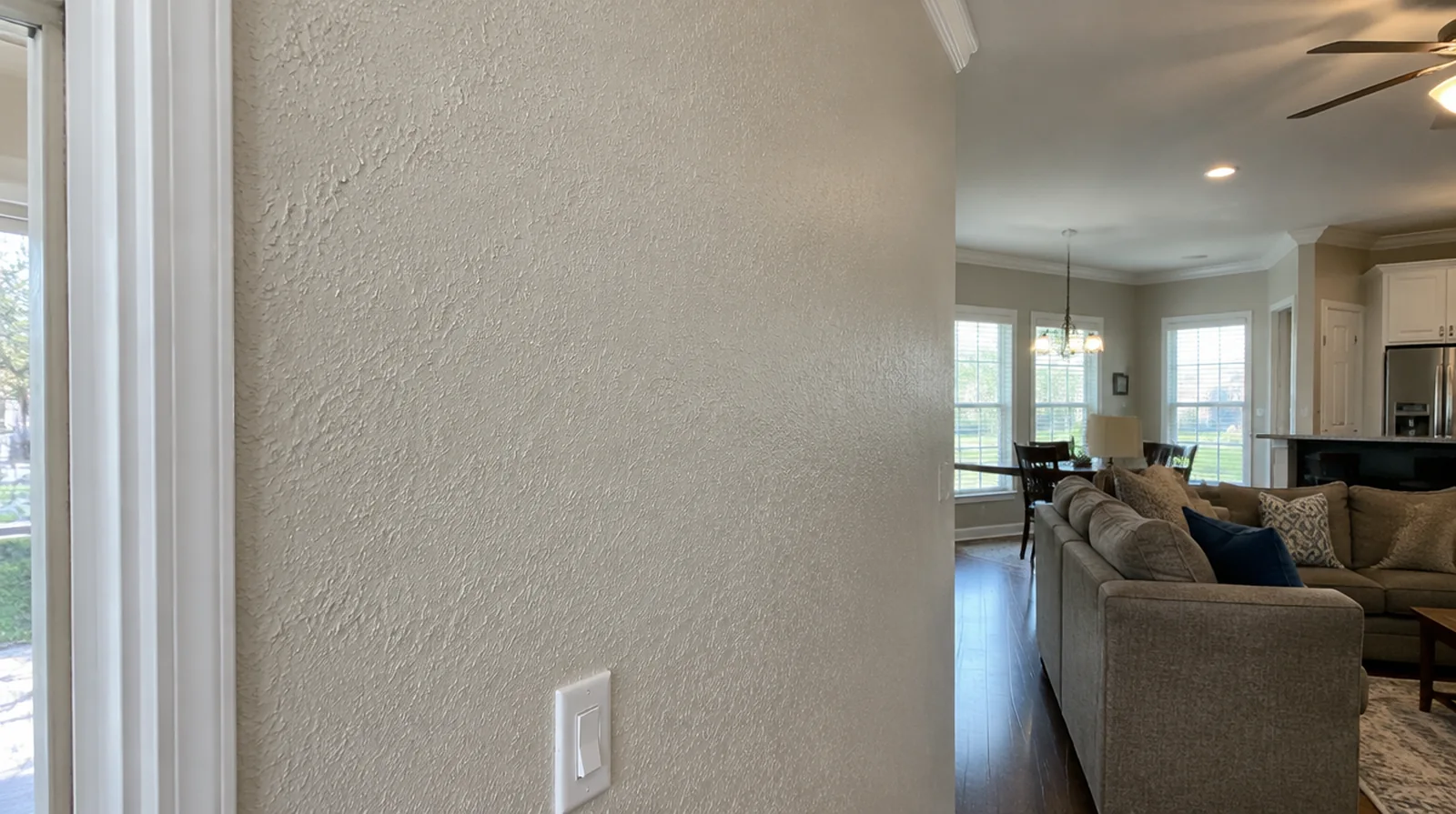
Consider hand applied surfaces
For a troweled pattern, the tool movement and the spacing between its marks matter. A representative trial is useful when there is no standard machine setting that reproduces the existing finish. Where the quoted work stops before painting, request an explicit description of what remains so the next decorating stage can be priced realistically.
Check the underlying repair
A decorative pattern will not reliably disguise a ridge or an uneven board joint underneath it. The base repair ought to be flat and firmly bonded before a decorative pattern is added. When comparing competing estimates, make sure their protection, surface finish and disposal allowances describe equivalent work before comparing the final prices.
Project context in Metairie
Record what caused it, what was done to stop the source and whether the mark has changed since then. In Metairie, an old ceiling water mark should prompt a straightforward history check before any surface is covered.
Scope questions before finishing
If the interior will remain occupied, identify a practical separation between the protected room and the space that still needs daily access.
Where the wall surface meets fixed furniture, clarify whether removal is included or whether the finish will terminate at the accessible edge.
When painting is outside the proposal, describe the remaining decorative preparation clearly so another contractor can price that stage accurately.
When the wall surface has strong reflected light, look at the full plane rather than judging only the narrow strip immediately beside the patch.
When the same defect has returned, share information about previous repair methods so the next assessment can consider why they did not last.
At an edge beside built in furniture, state whether the obstruction will be removed or whether finishing stops at the section that can be reached.
For a project involving a building manager, confirm access hours and protection requirements before promising a start date or a short completion window.
When a paint contractor follows the drywall work, define the surface condition being handed over and decide who handles any minor final touch ups.
For a planned new wall mounted fixture, resolve its backing requirements while the cavity remains open instead of cutting into completed drywall later.
When photographs are used for an initial discussion, include a wide room view as well as a close view so scale and surrounding finishes are understandable.
If the problem developed after another renovation, explain which nearby materials or building systems changed before the damage became noticeable.
In a room with little free floor space, identify temporary storage for belongings and establish sufficient clearance for the work before delivery.
Explore the Metairie drywall overview for related options, or read the project planning information before arranging the next stage.
More planning details for Metairie
A dry stain and softened gypsum need different decisions, and a coating cannot stand in for necessary material replacement. Warm humid conditions make protected storage and verified drying useful parts of the schedule. Keep any specialist moisture or remediation work separate from the ordinary wall finishing scope.